
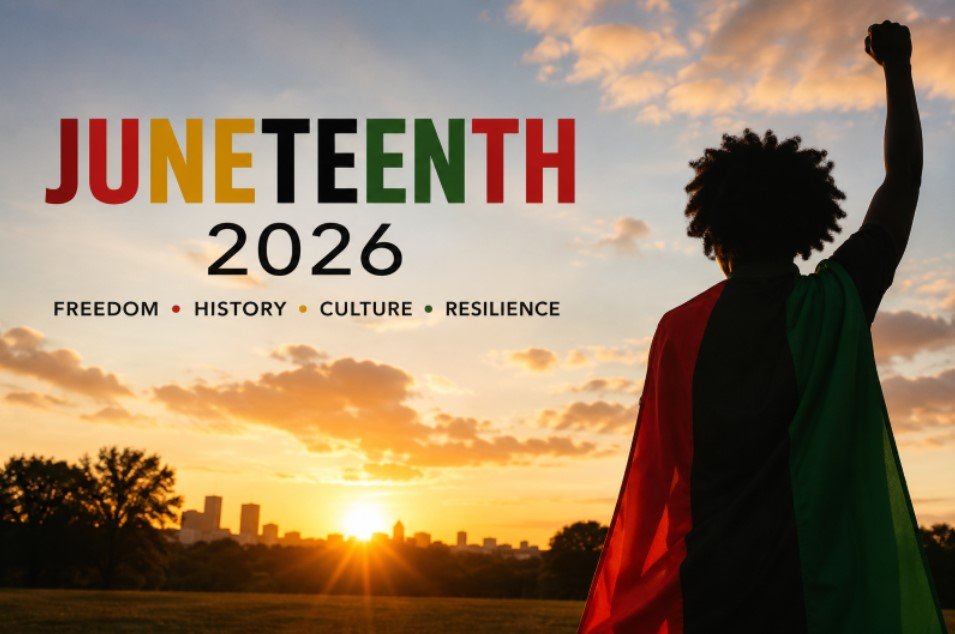
On June 19, 1865, in Galveston, Texas, Major General Gordon Granger finally delivered the news: more than 250,000 enslaved Black people in Texas were free. This came two and a half years after Abraham Lincoln’s Emancipation Proclamation. Today, Juneteenth, now a federal holiday, is celebrated as America’s “Second Independence Day.”
But in 2026, is it truly uniting us around freedom, or has it become another flashpoint in the endless culture wars? Critics argue it highlights selective history, fuels grievance culture, and divides rather than heals. Supporters see it as long-overdue recognition of Black resilience and a reminder that true freedom took time and still isn’t fully realized.
This post dives deep into the history, the hype, the controversies, and what Juneteenth really means for everyday Americans today.
The Real History of Juneteenth: Delayed Freedom in Texas
Juneteenth is a portmanteau of “June” and “nineteenth.” It marks the day Union troops arrived in Galveston Bay to enforce the Emancipation Proclamation in the last major Confederate stronghold. While the Civil War had effectively ended months earlier with General Robert E. Lee’s surrender in April 1865, news traveled slowly, and some enslavers deliberately withheld it.
Reactions among the newly freed ranged from shock and disbelief to joyous celebrations with prayer, feasting, singing, and dancing. Early observances started as early as 1866, with church services, community gatherings, and barbecues. Texas made it an official state holiday in 1980, and President Joe Biden signed it into federal law in 2021, the first new federal holiday since Martin Luther King Jr. Day.
Traditional foods symbolize resilience: red velvet cake, strawberry soda, watermelon, and barbecue — red evoking the bloodshed and the strength of West African ancestors. Parades, rodeos (especially in Texas), and family reunions became cornerstones of the tradition.
Why Juneteenth Matters And Why Some Americans Are Tired of Hearing About It
Proponents call it a celebration of resilience, achievement, and the long fight for equality. It connects directly to the 13th Amendment (ratified December 1865), which abolished slavery nationwide. For many Black families, it’s a day of pride, reflection, and forward-looking hope.
Yet in 2026, pushback is growing louder. Some conservatives argue that making Juneteenth a paid federal holiday while downplaying or reinterpreting July 4th creates a narrative of “two Americas.” Others point out the irony: the Emancipation Proclamation didn’t actually free slaves in Union-controlled areas immediately, and full legal freedom came later. Why celebrate a delayed announcement instead of the 13th Amendment or the end of the war?
Recent debates on X show tensions: Should Juneteenth be exclusively for descendants of American chattel slavery, or inclusive of all Black diaspora communities? Some events featuring Afrobeat or non-American Black cultural elements have sparked accusations of diluting the specific history of U.S. slavery descendants.
Critics also question corporate virtue-signaling. Big companies close offices or post black squares, but real economic mobility for working-class Black Americans remains stagnant in many metrics. Is Juneteenth becoming performative rather than substantive?
Juneteenth in the Age of Polarization: Division or Dialogue?
Since becoming a federal holiday, Juneteenth has exploded in visibility. Cities host massive parades, concerts, and educational events. The Smithsonian and museums roll out toolkits, while families gather for cookouts.
However, some see it as reinforcing victimhood. Data on Black progress since the Civil Rights era shows significant gains in education, income, and political power for many, yet persistent gaps remain in family structure, crime rates, and wealth. Does focusing on historical trauma help close those gaps, or does it distract from personal agency, culture, and policy failures like welfare incentives or failing urban schools?
On the flip side, ignoring the horrors of slavery and Jim Crow whitewashes American history. Slavery existed in many societies, but America’s version was uniquely brutal and racialized, and the country fought a devastating war partly to end it. Juneteenth can honor that sacrifice by all Americans, not just one group.
In 2026, with ongoing debates over DEI rollbacks, reparations talk, and national identity, Juneteenth sits at the center. Is it “American history, not just Black history”? Absolutely. But weaponizing it for political points risks turning a day of freedom into another grievance holiday.
How Families and Communities Are Celebrating in 2026
Modern celebrations blend education and joy:
- Reading the Emancipation Proclamation aloud
- Visiting museums or taking virtual tours of Black history sites
- Supporting Black-owned businesses
- Community service and volunteering
- Family reunions with traditional red foods and storytelling
Events connect Juneteenth to Civic Season, bridging it toward July 4th — a powerful idea of shared American freedom.
Yet some worry commercialization dilutes the meaning: corporate branding, expensive festivals, and social media clout-chasing.
The Provocative Question: What Would True Freedom Look Like Today?
Juneteenth reminds us that freedom delayed is still freedom won, but incomplete. Post-1865, Black Americans faced sharecropping, Black Codes, lynchings, segregation, and later systemic challenges. Their achievements, despite this, are extraordinary: inventors, entrepreneurs, military heroes, cultural giants.
Today, real progress demands uncomfortable conversations beyond holidays. School choice for inner-city kids, criminal justice reform that addresses both policing and family breakdown, economic policies rewarding work and two-parent homes, and rejecting race essentialism.
Celebrating Juneteenth shouldn’t mean guilt for some and perpetual victimhood for others. It should inspire all Americans to live up to the Declaration’s promise: “all men are created equal.”
Conclusion: Moving Beyond the Holiday
Juneteenth is a legitimate part of American history worth remembering. The delayed freedom in Texas symbolizes how liberty spreads unevenly and must be actively defended. But turning it into a divisive cudgel helps no one.
In 2026, let’s use this day for honest reflection: on the past’s horrors, the country’s imperfect progress, and the work still needed for a truly color-blind society. True freedom isn’t granted by government proclamation or federal holidays, it’s secured through character, family, education, and unity.