
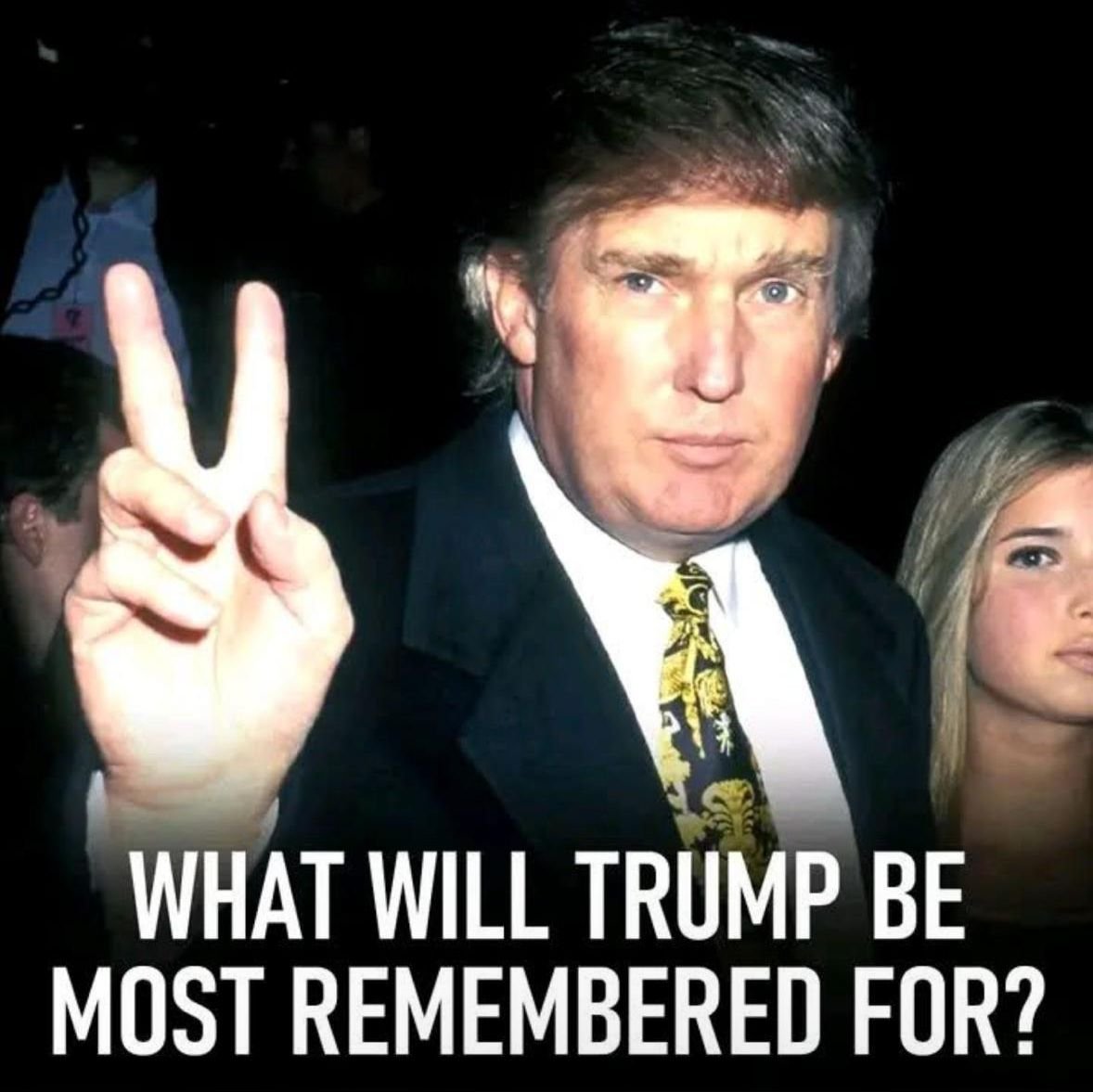
Few political figures in modern history have sparked as much passion, controversy, and debate as Donald Trump.
To some, he is a bold outsider who disrupted a stagnant system and put national interests first. To others, he is a deeply divisive figure whose actions challenged democratic norms.
Whether viewed as a hero or a villain, one thing is certain: Trump’s legacy will be studied, debated, and argued about for decades to come.
But what exactly will define that legacy?
Here are five key truths that will likely shape how history remembers Donald Trump.
1. Election Victory Shock in 2016
Donald Trump’s 2016 election victory was one of the most shocking political upsets in modern history.
Going into the race, he was widely seen as an unlikely candidate a businessman and television personality with no prior political or military experience.
Many political analysts, media outlets, and polls predicted his defeat.
Yet, against all expectations, Trump defeated Hillary Clinton and secured the presidency.
This moment will be remembered not just for the result, but for what it represented.
His victory exposed deep divisions within American society between urban and rural voters, elites and working-class citizens, and establishment politics versus outsider movements.
It also marked a turning point in how political campaigns were run, emphasizing direct communication, populist messaging, and unconventional strategies.
Supporters saw his win as a triumph of the “forgotten American,” proof that ordinary citizens could challenge political elites. Critics, however, viewed it as a warning sign about misinformation, polarization, and the fragility of democratic systems.
Regardless of perspective, the 2016 election will remain one of the most defining moments of Trump’s legacy a political earthquake that reshaped American politics.
2. Impeachments
Another major part of Trump’s legacy is his unprecedented history with impeachment. He became the first U.S. president to be impeached twice by the House of Representatives.
The first impeachment in 2019 centered on allegations that he pressured Ukraine to investigate a political rival.
The second, in 2021, followed the January 6 Capitol riot, with charges of incitement of insurrection.
Although he was acquitted by the Senate both times, the impeachments themselves carry enormous historical weight.
For supporters, these impeachments are often seen as politically motivated attacks evidence of a system determined to undermine him.
For critics, they represent serious breaches of presidential conduct and accountability.
Either way, being impeached twice places Trump in a category of his own in American history.
Future generations will likely examine these events as key case studies in presidential power, political conflict, and constitutional limits.
The impeachments also highlight the extreme polarization of the era, where even the most serious accusations became deeply partisan battles.
3. Social Media Dominance
If there is one area where Trump undeniably changed the game, it is communication especially through social media.
Trump used platforms like Twitter (now X) as a direct line to millions of followers, bypassing traditional media channels.
His posts were often unfiltered, immediate, and provocative, generating headlines on a daily basis.
This approach transformed how political leaders communicate. Instead of carefully crafted statements delivered through press conferences, Trump opted for real-time reactions and personal commentary.
His tweets could move markets, influence public opinion, and dominate news cycles within minutes.
Supporters praised this as transparency and authenticity a leader speaking directly to the people without media interference.
Critics argued that it spread misinformation, escalated tensions, and undermined the dignity of the presidency.
His eventual bans from major social platforms after the January 6 events further intensified debates about free speech, censorship, and the power of tech companies.
No matter where one stands, Trump’s social media presence will be remembered as revolutionary. He didn’t just use social media he reshaped its role in politics forever.
4. “America First” Policies
At the core of Trump’s presidency was his “America First” philosophy a policy approach focused on prioritizing U.S. interests in trade, immigration, and foreign relations.
This included renegotiating trade agreements, imposing tariffs on countries like China, restricting immigration policies, and pushing allies to contribute more to defense spending.
To his supporters, these policies represented strength and pragmatism. They argue that Trump stood up for American workers, protected national sovereignty, and challenged unfair global practices.
To critics, however, “America First” often translated into isolationism, strained international alliances, and controversial decisions such as withdrawing from global agreements.
Regardless of viewpoint, these policies significantly impacted both domestic and global politics.
They sparked debates about globalization, nationalism, and the role of the United States on the world stage.
Trump’s emphasis on economic nationalism has also influenced political movements beyond the U.S., inspiring similar rhetoric in other countries.
In the long run, “America First” may be remembered as a defining ideological shift one that challenged decades of established foreign and economic policy.
5. Legal Battles After Presidency
Even after leaving office, Donald Trump has remained at the center of public attention, largely due to ongoing legal battles.
These include investigations and lawsuits related to business practices, election interference claims, and handling of classified documents. For a former president, this level of legal scrutiny is unprecedented.
Supporters often view these cases as politically driven attempts to prevent his return to power. Critics argue that they are necessary to uphold the rule of law and ensure accountability.
What makes this aspect of his legacy particularly significant is that it extends beyond his presidency. Most former leaders fade from the spotlight, but Trump has remained a dominant figure in political discourse.
These legal battles also raise broader questions about the limits of presidential immunity, the independence of the justice system, and the intersection of law and politics.
How these cases ultimately resolve will play a major role in shaping Trump’s long-term legacy.
Whether they reinforce his image as a victim of political persecution or as a leader facing consequences will depend on outcomes that are still unfolding.
Final Thoughts: A Legacy That Defies Simple Labels
So, will Donald Trump be remembered as a hero or a villain?
The truth is, his legacy may never fit neatly into either category.
For millions of supporters, he represents disruption, strength, and a willingness to challenge the status quo. For critics, he symbolizes division, controversy, and a departure from democratic norms.
What makes Trump unique is the intensity of these opposing views. Rarely has a modern leader inspired such strong emotions on both sides.
History often softens the edges of controversial figures, placing them within broader narratives that balance achievements with failures.
But in Trump’s case, the debate may remain just as heated decades from now.
Ultimately, his legacy will likely be defined by these five truths:
- A shocking and transformative election victory
- A historic and unprecedented impeachment record
- A revolutionary approach to political communication
- A bold and polarizing policy agenda
- And ongoing legal battles that continue to shape his story
Whether seen as a hero, a villain, or something in between, one thing is certain:
Donald Trump will not be forgotten.